The best repair or renovation design documents are based on accurate, detailed data about the existing structure collected at the earliest stages of a project. Critical to the project’s success is the delivery of this data in a format that can be easily used by the entire project team including design professionals, building owners, and contractors.
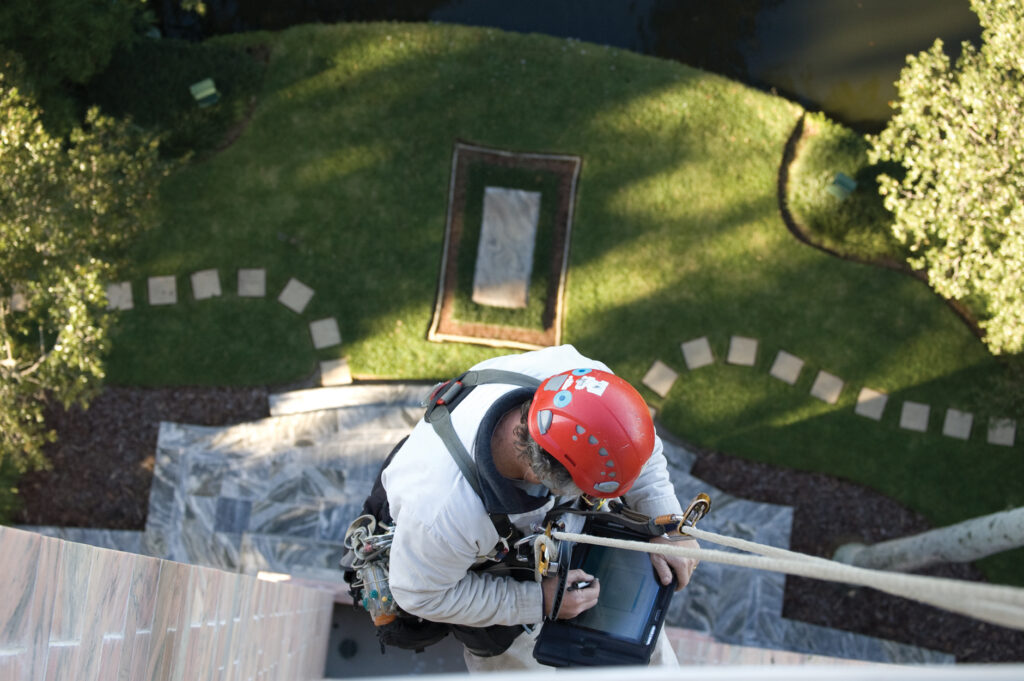
Vertical Access has developed a sophisticated method of collecting survey data called TPAS® (Tablet PC Annotation System) that is used in conjunction with AutoCAD to document existing conditions directly into tablet computers in the field during investigations of buildings and structures.
What Is TPAS?
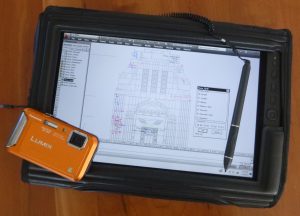 TPAS software allows for the input of graphical, photographic and numeric data into AutoCAD drawings using predefined block libraries of material conditions and digital cameras. It includes customized AutoCAD tools to provide enhanced automation to the process of visually documenting and cataloging conditions. Lengths and areas of conditions can be drawn and are calculated and inserted into the AutoCAD drawing along with links to digital photographs. Customized blocks for specific projects can be easily created to meet your project’s unique needs.
Data reports facilitate the interpretation and diagnosis of fault patterns and failure mechanisms in exterior façade systems and other structural conditions. An online project web portal allows users to interactively search, view, and format all project data and photographs from different office locations simultaneously, and without the need for an AutoCAD license.
TPAS combines the utility of AutoCAD used by architects, engineers, and other design professionals, with customized programming to streamline quantity measurements and photographic documentation. Features of TPAS native to AutoCAD are:
- Block libraries
- Blocks with attribute tags
- AutoCAD design center
- Selective display of layers within viewports
- Attribute extraction to spreadsheet or database programs
TPAS At-A-Glance
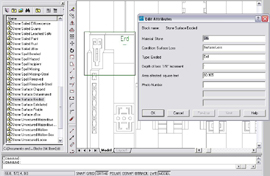
Attribute information containing such data as: type of material, class of fault/deterioration; severity, extent, or dimension of condition; quantity of the affected area; a hyperlink to a digital photograph, audio or video clip.
- Direct-to-digital collection of information to streamline the preparation of design documents, condition reports, preliminary scopes of work, cost estimates, construction documents
- Cataloging of photographs hyperlinked to AutoCAD drawings to assist with determining failure mechanisms
- Graphical representation of existing condition data in AutoCAD, to facilitate diagnosis of fault patterns
- Collection of numerical data pertaining to faults, including amount and severity
- Customizable condition blocks for unique client needs or requirements
- Updating of previous survey information and comparison of surveys across time
- Variety of deliverable formats that permit evaluation of data and viewing of drawings without the need for AutoCAD
- Online web portal for interactive viewing and sharing of project data, drawings, and photographs
TPAS Demo
Learn more
- Visit the TPAS website and blog.
- Read articles published about TPAS
- Download the TPAS Technical Highlights
- Watch demo
- Contact tpas@vertical-access.com for more information.